


Human life is in constant motion.Thanks to this, we can quickly and efficiently adapt to changes in our environment, explore the world, move around and carry out daily activities.However, any movement of the body places a certain load on the musculoskeletal system and can become a traumatic situation, causing premature wear and tear on the joints.This is how joint arthritis occurs—one of the most common diseases on earth.Despite its widespread popularity, not everyone is aware of its main manifestations and dangers, which is why they seek medical help in its later stages.This can lead to serious health problems, including disability.Prompt visits to a specialist can save you from these troubles, as an experienced doctor will perform a thorough diagnosis and catch lesions at an early stage.
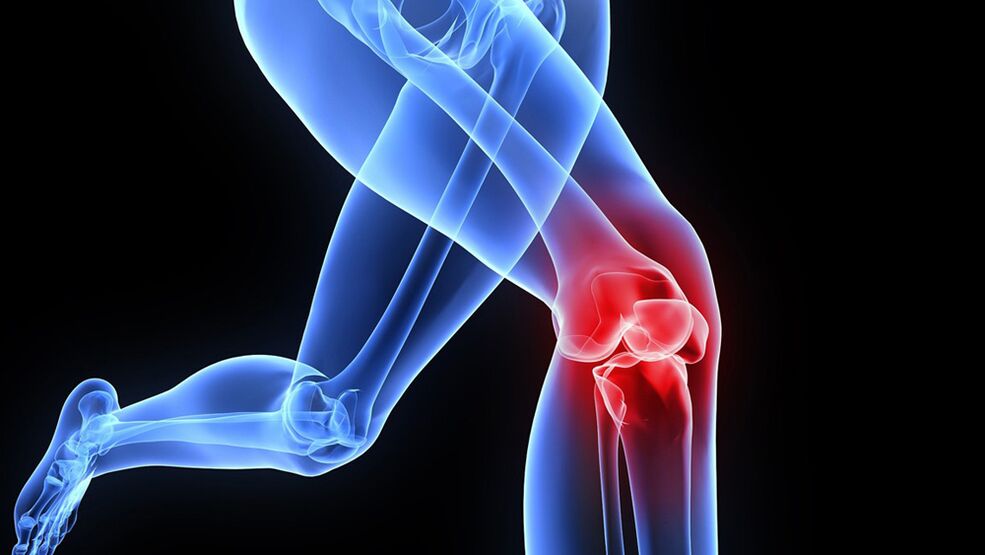
Arthropathy is a degenerative dystrophic joint disease associated with slow growth of cartilage structures and proliferation of bone tissue.As a result of these pathological changes, the affected joint becomes deformed, its mobility is impaired and severe pain occurs.According to official statistics, 10% to 20% of the world's population suffers from this condition.These are pretty important metrics and they are increasing every year.During aging, the musculoskeletal system undergoes age-related changes that characterize most people over the age of 80 years.However, only a small proportion of people consult a doctor, preferring to self-medicate.It is this approach that significantly worsens rehabilitation prognosis and increases the chance of disability.
The disease occurs about equally in men and women.Risk groups include:
- Women are over 50 years old and men are over 40 years old.
- Those with a history of endocrine disorders and chronic arthritis.
- People who engage in heavy manual labor or occupations that require maintaining a fixed posture for long periods of time.
- Professional athletes (especially weightlifters and athletes in traumatic sports).
Species
There are severalClassification Arthropathy: Depends on origin, clinical form and localization.Each has its own clinical significance; in practice it is most necessary to classify based on the location of the lesion.
Arthropathy of lower limbs
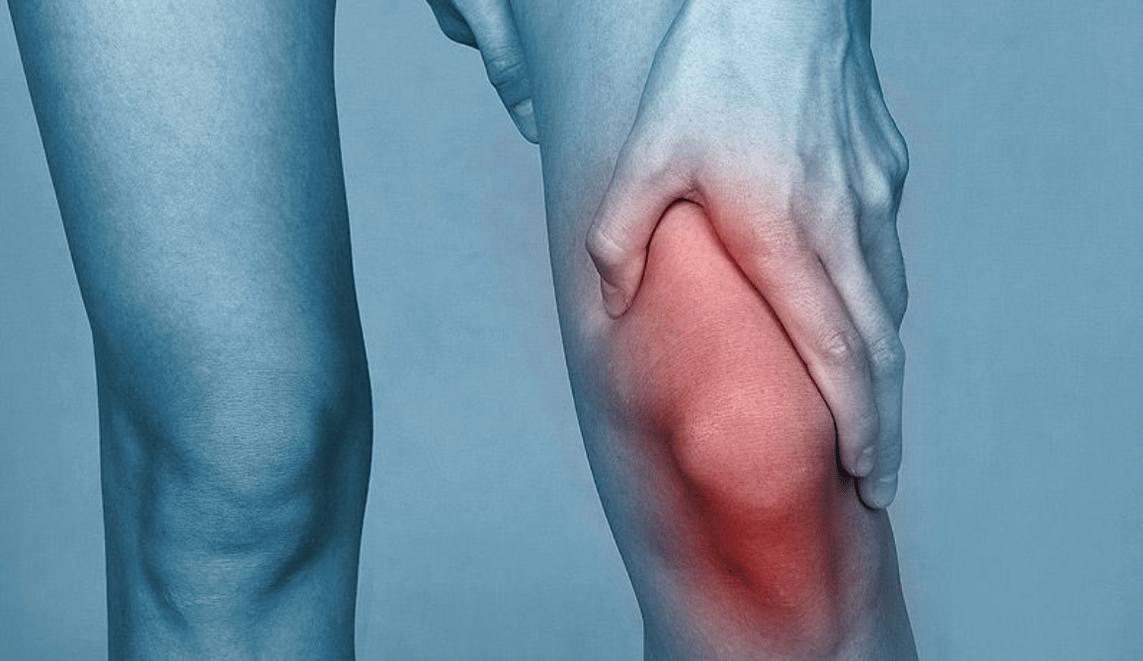
- hip osteoarthritis- The most dangerous and serious type.Due to the anatomical characteristics of this joint structure, the rapid progression of degenerative dystrophic diseases is accompanied by damage to the musculoligamentous apparatus.When inflammation occurs, complete or partial immobility results.This pathological phenomenon usually occurs due to the presence of congenital dysplasia, dislocation and osteochondrosis.It manifests itself as pain (initially appearing in the late afternoon and evening, but later becoming permanent, radiating to the groin and buttock areas) and forced positioning of the lower limbs.
- ankle- Frequently occurs because the ankle is forced to bear heavy loads every day.As a result, it is often injured, leading to degeneration.There are usually no obvious symptoms when the ankle joint occurs, but as the condition progresses, pain will occur during physical activity.The pain then becomes constant, increasing stiffness of movement and complete immobility (rarely, without prompt and adequate treatment).
- knee osteoarthritis- The most common varieties.The knees bear the greatest load and are therefore more susceptible to injury than other areas.There are several types: patellofemoral and tibiofemoral.The first occurs after an injury to the patellofemoral joint.In the initial stages, it is asymptomatic because the joints have a lot of cartilage that absorbs shock.Their presence prevents bone damage.Later, the patient begins to notice knee pain after physical activity, which gradually becomes permanent (often worsened by weather changes).Synovitis is characterized by severe, almost unbearable pain, often associated with pathology.Diagnosis of the tibiofemoral type is extremely rare and carries a favorable prognosis.It is characterized by pain that radiates to the lower parts of the body (usually the feet).
- heel— Degenerative dystrophic changes may be observed in the subtalar joint or talonavicular joint region following injury or disease.It also doesn't show up clinically for a long time, but over time it starts to become achy and painful.
Arthropathy of upper limbs
SuchDisease localizationOccurs less frequently than in the lower extremities.These are:
- Arthropathy of the shoulder joint.Generally, it occurs after injury in professional athletes and in the context of microtrauma.It is sometimes diagnosed in individuals whose occupations involve manual labor.Acromial disease is the result of injury and inflammation.Initially it will not be noticed, but as it progresses, a painful sensation will develop in the injured shoulder area.The patient notices limited movement and a crunching sound when moving.If left untreated, partial ankylosis may occur.
- Elbow - diagnosed much less frequently.In most cases, this diagnosis is found in certain occupations: miners, blacksmiths and people who use vibrating tools.Symptoms include elbow pain and limited movement when bending and extending the upper limb.
- Arthritis of the hand joints.Generally, it is diagnosed in the carpometacarpal joint of the first finger (this joint is most susceptible to injury in daily life).It is characterized by dull pain on the outer surface of the palm that can radiate to the thumb.
- Arthropathy of the finger joints.Most commonly seen in people doing small jobs (embroidery, knitting, etc.).Overgrowth of bone tissue is observed, leading to the formation of Hebden's and Bouchard's nodules.Patients rarely report joint pain (sometimes when the weather changes) and stiffness of movement.
reason
No single etiological factor contributes to the development of this pathology.Arthropathy is a disease that slowly begins to manifest itself in the context of innate structural characteristics of the connective tissue, preexisting disease, and long-term microtrauma.Most chronic inflammatory conditions (arthritis) somehow transform into a degenerative dystrophic process with ongoing inflammatory recurrences.The age group with arthropathy accounts for the largest number of patients with this diagnosis and deserves special attention.
Although there is no single cause of this disease, there are many predisposing factors.The most clinically important of these are:
- sedentary lifestyle(sedentary work, laziness, etc.).
- excessive physical activityPhysical labor, professional sports (sports injuries have a negative impact on all aspects of health).
- heavy weight(The joints simply cannot bear such weight).
- Venous insufficiency.
- Professional relatedkeep standing, without any action.
- Hormone imbalance and damage to the endocrine system(Diabetes, vascular atherosclerosis, obesity, etc.).
- Malnutrition(Insufficient daily intake of fat, protein, carbohydrates, vitamins and trace elements).
- Smoking and drinking.
- Heavy genetic burden.
Due to the influence of one or more of the above factors, the cartilage tissue covering the joint surface of the bone begins to gradually destroy.First, it becomes thinner and less elastic, and then breaks completely.Subchondral bone tissue comes into contact with the bone surface, causing the bone to be destroyed by friction.The protective response of the bone tissue is its proliferation (especially along the joint edges), which significantly limits the mobility of the joint and causes its deformation.
One thing about joint cells is that they respond quickly to any injury, even a minor one.Damaged cells actively synthesize anti-inflammatory cytokines, which is why destruction of cartilage and bone manifests itself as sterile inflammation of the synovium.Frequent recurrences of pathology lead to worsening inflammation, as a result of which hard tissue cells begin to die more quickly, leading to the progression of the disease.
symptom
Arthritis may occur over a long period of time without the slightest clinical symptom.Patients go through life without even suspecting that active degenerative dystrophic changes are occurring in their joints.Usually, the first symptoms appear at the height of the pathology or after the onset of inflammation.There are various types of symptoms depending on the time of onset and presenting characteristics.
first sign
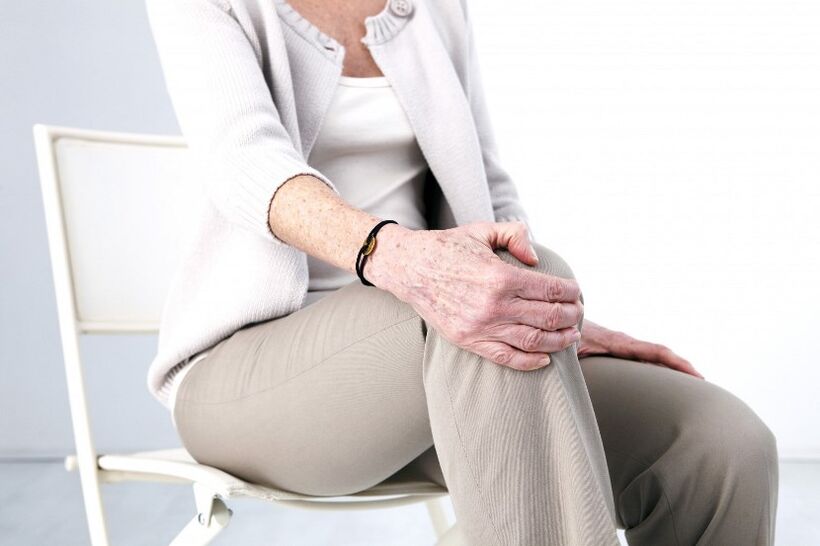
After physical activity (exercise, jogging, continuous walking, climbing stairs, etc.), pain begins to appear in the area of the damaged joint.In the morning, after a long period of immobility, the first "beginning of pain" occurs, accompanied by a slight stiffness.Eliminate mobility issuesYou need to warm up for a while.The pain is aching or dull in nature, but not severe.Due to poor clinical presentation, patients rarely seek medical attention in the early stages.Many people begin to self-medicate, trying different treatments, which only makes the current situation worse.However, the prognosis for this disease is best in its early stages, with a high likelihood of full recovery with no consequences.Therefore, if you notice any sensation in your joints, it is highly recommended that you see your doctor.
obvious symptoms
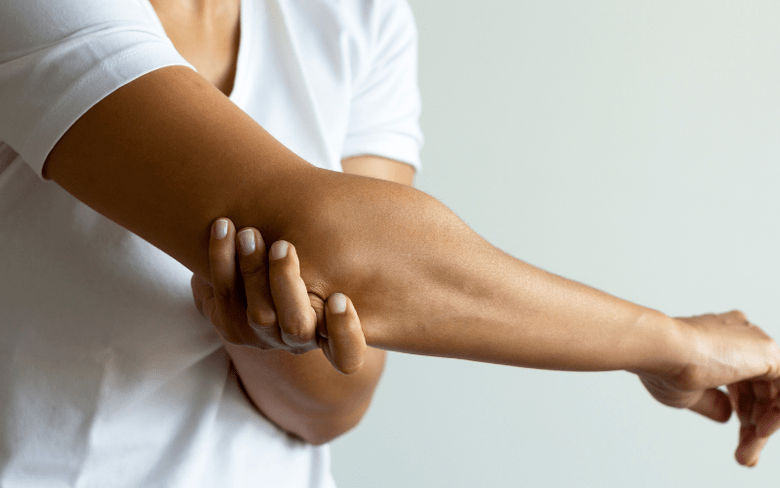
pain gradually gets worse, intensified with weather changes.They don't just happen in the morning, but last throughout the day.Sufferers are unable to sleep adequately; many, especially older adults, notice bone aches and muscle aches.Pain can spread throughout the limb and radiate to surrounding areas.People with this problem tire quickly even when walking short distances and have difficulty bending and stiffening their joints.Many people notice instability in the injured limb, which is why they have an unsteady, tame gait.
Osteoarthritis of the knee presents with a characteristic tightness that occurs as the joint surfaces rub against each other.The knee gradually begins to deform as bone tissue grows along the edges.The patient attempts to limit any movement, which causes muscle atrophy.This in turn makes the gait more unstable and cautious.Upper extremity osteoarthritis is usually the result of injury or chronic arthritis.The most obvious deformations are observed at the interphalangeal joints of the hand.Bouchard's and Hebden's nodules form on the fingers, and the hand itself becomes square.
Danger symptoms
Due to the following facts:degenerative dystrophic changesThe disease develops gradually, and over a long period of time even the appearance of dangerous clinical symptoms may go unnoticed.This significantly aggravates the current situation and worsens the prospects for recovery.These symptoms are:
- Swelling and persistent pain in the limbs- Indicates active inflammation requiring urgent medical intervention.
- joint deformity, resulting in a change in gait or inability to perform normal movements.
- Myalgia and bone pain.
- unsteady gait, mobility during flexion and extension is severely limited.
- pain becomes constant, does not subside in the evening or night, radiating into surrounding areas.
degree
In orthopedic practice, it is customary to differentiate the clinical and radiological extent of arthropathy according to the Kellgren-Lawrence classification:
- zero.A person does not feel any pain or discomfort while walking, even over long distances.No pathological changes were detected on X-ray images.
- Initial (suspicious).Moderate dull pain may occur when walking for a long time.Some patients notice a slight tightening when bending the limb.X-rays revealed the first signs of pathology: narrowing of the joint space and small bone defects at the edges.
- Simple.The pain syndrome becomes more pronounced and occurs in the morning with stiffness.The pain worsens with movement.X-rays show significant narrowing of the joint space and a small amount of bone growth (osteophytes).
- Moderate (degraded).The feeling of pain occurs not only in the morning, but also in the evening.Myalgia and bone pain occur.Patients have poor sleep quality and often notice swelling in the affected joints.X-rays show progression of joint space narrowing and osteophytic proliferation as well as increased bone density.
- Heavy (deformed).Pain syndromes are permanent and are not always relieved by taking painkillers.Any movement may aggravate the pain; a strong crunching sound may be heard when bending.Muscles also atrophy and joints become deformed.X-ray examination showed that the joint space was significantly narrowed and the edges of the joint surface were significantly grown, resulting in deformation changes.
deterioration
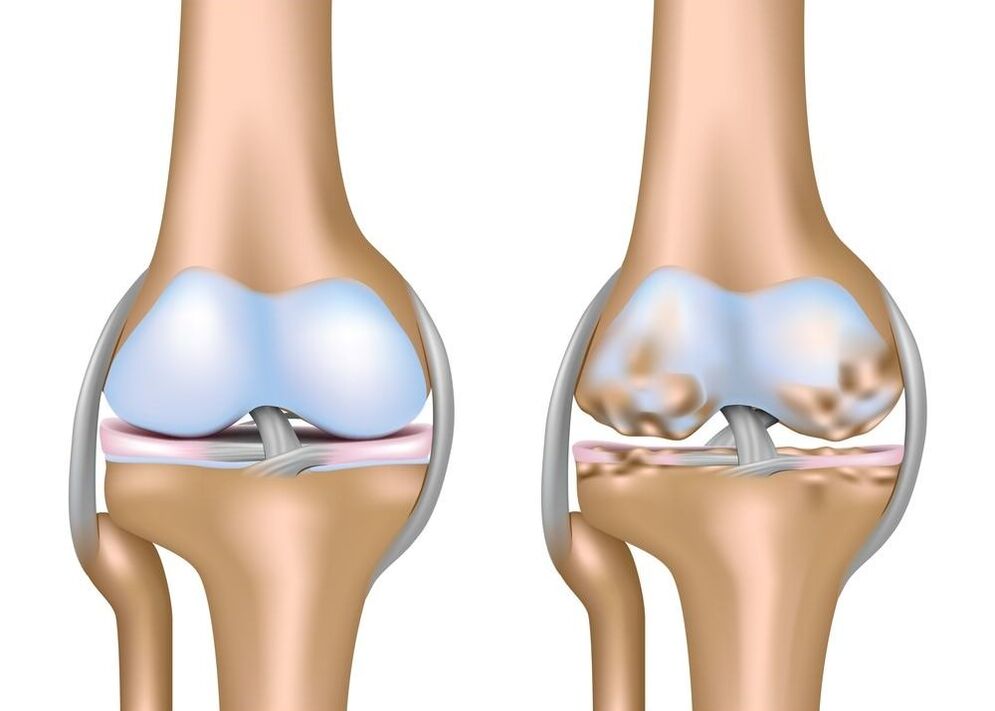
All degenerative diseases are characterized by a slow and often asymptomatic course (especially in the first stage).The pain intensifies when weather conditions change (humidity, wind or a drop in temperature) and the inflammatory process begins.Inflammation is characterized by swelling, skin congestion, pain, and swelling.Therefore, if signs of an inflammatory process appear, you must seek qualified medical help immediately.provide independentfirst aidThis can be done using:
- Take any pain medication.
- Apply a numbing ointment or gel to the skin.
- Keep the limb in a still position (until the pain subsides).
diagnosis
For diagnosis, highly precise examination methods are required to identify even minor pathological changes.In the clinic, specialists conduct a thorough examination of the patient, allowing them to determine the current condition of the joint by sight and touch (external signs of inflammation: swelling, redness of the skin, pain, congestion).Afterwards, laboratory and instrumental diagnosis are performed, which allows a complete understanding of the extent of the lesion.Laboratory tests include:
- General, biochemical and immunological blood tests.Changes in the blood can confirm the presence of inflammation and determine the cause of the disease (metabolic disorders, autoimmune reactions, etc.).
- C-reactive protein.
- Take intra-articular fluidDetect infections and their susceptibility to antibiotics.
Instrument diagnostics involve the following procedures:
- Joint ultrasound and MRI.Changes in soft joints and periarticular tissues can be detected.
- X-rays and CT.It is very informative when looking for changes in bone tissue.Today, this is the diagnostic method of choice and is the basis for the diagnosis of arthropathy.
- Arthroscopy.This test is done if there are signs of inflammation.
- Scintigraphy.Involves the use of radiopharmaceuticals to assess the condition of the bones and their metabolism.
drug treatment
Medications are prescribed with the goal of relieving pain, inhibiting the progression of pain, and restoring joint function.To combat pain, use the following methods:
- Pain relievers from the NSAID group.The type, release form and dosage of the drug are chosen individually by the doctor.The choice depends on the severity of the pain, age, gender and other factors.The most commonly prescribed medications contain painkillers.They are usually taken orally in tablet form, but injections or ointments are also available.
- Muscle relaxants.They are necessary to relieve spasms in the muscles around joints.This can also relieve pain and restore normal blood circulation to the joints.
- Neurotrophic B vitamins.This is the social part of basic therapy.B vitamins help normalize peripheral nervous system function and suppress pain.
- Painkiller blockade.Typically, they are used to treat severe acute pain that cannot be eliminated by taking the medications listed above.In this case, the solution used is injected into the most painful area.
Treatment of ArthropathyThere is no way to treat your knee or any other joint without taking medication to help restore joint function.The following persons are appointed for this purpose:
- Chondroprotectant.Taking them restores cartilage tissue and improves blood circulation in it.It is taken in the form of ointments, injections, and tablets.
- Hyaluronic acid.The medicine is injected directly into the joint cavity to ensure the fastest therapeutic effect.Its main purpose is to increase the viscosity of synovial fluid and prevent trauma to the articular surfaces of bones.
non-pharmacological treatment
It is important to understandtake medicine- This is not a panacea, nor is it the only way to recover.In order to eliminate pain, increase joint mobility, and improve quality of life, you need to invest adequate time in non-drug treatment methods.It is necessary to maintain the right balance between adequate physical activity and proper rest.You can achieve this result by sticking to your exercise routine.In order to obtain ideal results, you must adhere to the following training rules:
- Must attend class every day, regardless of health, mood, weather, living conditions and other factors.
- All movements were performed extremely smoothly and slowly.
- If pain worsens during training, stop training.
Regardless of the degree of arthritis in the knee, patients needStop running(especially short-distance high-speed sports), jumping, outdoor sports (football, basketball, volleyball, etc.), weightlifting (barbells, etc.), and long periods of immobility.In this case, your best options are swimming, yoga (preferably with a trainer who understands joint problems), and Pilates.

For joint disease, physical therapy is required.It helps improve health and combat possible complications of disease.Physical therapy procedures include:
- Perform electrophoresis or ultrasonic electrophoresis using analgesic drug solutions.
- Heat application with paraffin(Only in the absence of inflammatory processes).
- Darson Verification- Exposure to high and low frequency currents to stimulate blood circulation and muscle relaxation.
- Magnet and laser therapy.
- electrical stimulation.This is an effective physical therapy designed to restore muscle size and strength.
Leech therapy - the use of leeches for treatment - is also available.The saliva of these animals contains large amounts of enzymes that dilate blood vessels and normalize metabolic processes.Additionally, it helps dissolve dead tissue and cleanse joint spaces.
prevention
Treating arthropathy and its consequences is quite difficult.However, it is much easier to prevent it.To do this, just follow simple tips that can help protect your joints for years to come.in:
- Active lifestyle.Even if your professional activities involve sitting or standing still for long periods of time, you need to make time (at least a few minutes each day) for a simple warm-up.
- Exercise regularly or go to the pool.These are excellent general strengthening exercises that help keep your muscles and musculoskeletal system in shape.
- Proper and reasonable nutrition.It is important to monitor your daily diet.It should contain sufficient amounts of protein, fat, carbohydrates, trace elements and vitamins.It is worth increasing the intake of foods rich in omega-3 (fish, red game, avocados, walnuts, flax seeds, etc.) and collagen (jelly, purees, etc.).
- Monitor your weight.It is necessary to keep your weight within normal limits and avoid the development of obesity (for this you also need to exercise and eat correctly).
- Wear comfortable shoes.
- stop motionComes with a high risk of injury.
in conclusion
Arthropathy of jointsThis is a fairly serious disease that can lead to serious consequences and complications.However, you can fight it, live a fulfilling life, and do your day job.Modern medicine offers many treatment techniques aimed at improving the patient's condition and restoring his motor functions.However, it is important to remember that quality of life with arthropathy depends on the length of treatment and compliance with medical recommendations.Early medical consultation allows you to identify the first degenerative changes and eliminate them in time.Therefore, there is no need to self-medicate or put off seeing a doctor.If you notice the first symptoms of joint disease, you must see a doctor immediately and receive a thorough diagnosis.